The stress inflammation connection can make weight gain, fatigue, bloating, cravings, pain, and other chronic symptoms feel confusing because the trigger is not always just food. Suppressed emotions and nervous system dysregulation can keep the body in a protective inflammatory state. The real question is what your symptoms are trying to show you.
It is 2pm, and you are standing in the kitchen looking for something to eat even though you are not truly hungry.
You promised yourself this week would be different. Cleaner meals. More water. Maybe fewer snacks. But your body feels heavy, your patience is thin, your clothes feel tighter, and there is a quiet ache underneath it all that no meal plan has ever reached.
And if you are honest, the hardest part is not the weight.
It is the feeling that your body is carrying something you cannot name.
One of our clients, J. Nanda, described this exact turning point:
“
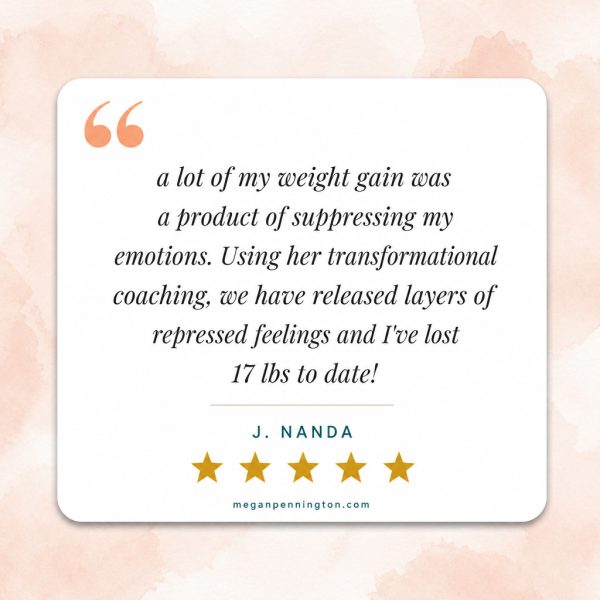
Megan and I began discussing my nutrition and I soon figured out that a lot of my weight gain was a product of suppressing my emotions. Using her transformational coaching, we have released layers of repressed feelings and I’ve lost 17 lbs to date! It’s incredible when you work with someone who is dedicated to helping you the way Megan is.
— J. Nanda
★★★★★
This is not about blaming emotions for physical symptoms.
It is about understanding that your body is not separate from your lived experience. Your gut, immune system, hormones, brain, and nervous system are in constant conversation. When that conversation gets stuck in survival mode, symptoms can follow.
The missing layer in weight gain and chronic symptoms
Many people come to us after doing all the “right” things.
They have removed gluten. Cut sugar. Tried probiotics. Tracked calories. Added magnesium. Bought the expensive protein powder. Followed the anti-inflammatory recipes.
Some feel better for a few weeks, then hit the same wall again.
Here is the belief we often have to gently challenge: if your symptoms continue, it does not automatically mean you need more discipline.
Sometimes the body is inflamed because the immune system is reacting to specific foods or chemicals that look “healthy” on paper. Sometimes the gut needs repair. Sometimes the microbiome is out of rhythm. And sometimes the nervous system is still bracing against old stress, grief, fear, or emotional patterns the mind learned to suppress.
That is the stress inflammation connection in real life.
Not abstract. Not dramatic. Biological.
When chronic stress is present, the body can release more inflammatory signaling chemicals. The gut lining may become more vulnerable. Digestion can slow or speed up. Cravings can intensify. Sleep can become lighter. Blood sugar can swing. The immune system may become more reactive.
So the person thinks, “Why am I gaining weight when I am trying so hard?”
But the body may be saying, “I do not feel safe enough to let go.”
Food can matter deeply, but it may not be the whole story
We do use specialized testing, including MRT food sensitivity testing and the LEAP protocol, when appropriate. Hidden inflammatory food and chemical triggers can be a major reason someone still has bloating, migraines, joint discomfort, fatigue, skin flares, or stubborn weight changes despite eating well.
But MRT and LEAP are one part of a bigger whole-person picture.
At MP Integrative Health, our approach may include:
- Specialized food sensitivity testing to identify immune-driven inflammatory triggers unique to your body.
- A personalized nutrition and gut-healing strategy that supports digestion, microbiome repair, and inflammatory recovery.
- Mind-body healing tools such as somatic practices, medical hypnotherapy, nervous system recalibration, inner child healing, and trauma repair when deeper stress patterns are part of the picture.
This is where the stress inflammation connection becomes clinically important.
If we only remove foods but never address the body’s protective stress response, the system may stay on alert. If we only talk about emotions but ignore immune triggers in food, the body may keep reacting. Deep healing often requires both precision and compassion.
Why suppressed emotion can feel physical
Suppressed emotion is not “just emotional.”
Your body still has to hold it somewhere.
For some people, it shows up as tight shoulders, jaw clenching, migraines, reflux, constipation, diarrhea, skin flares, or exhaustion that does not match their schedule. For others, it shows up as weight gain that feels disconnected from their effort.
The nervous system and gut are deeply connected through the gut-brain axis. When the nervous system senses threat, digestion often becomes less efficient. The body may prioritize survival over repair. Inflammatory pathways can stay more active than they should.
That does not mean every symptom is caused by trauma.
It means the body deserves a wider lens.
Your symptoms are real, and they are not random. They may be coming from immune reactions, gut imbalance, nutrient gaps, unresolved stress patterns, or a combination that has never been properly mapped.
What freedom can start to feel like
For some clients, freedom begins when the bloating finally stops dictating what they wear.
For others, it is waking up without the dread of another migraine. Eating a meal without fear. Going through the afternoon without needing caffeine and willpower to stay upright. Feeling less reactive with family. Noticing that their body feels less guarded.
And sometimes, like J. Nanda described, freedom includes releasing emotional layers the body had been carrying for years.
This is not about forcing positivity or pretending food does not matter.
It is about finally asking better questions:
- What is my immune system reacting to?
- What does my gut need in order to repair?
- Where is my nervous system still living in protection mode?
- What emotions or subconscious stress patterns might my body still be holding?
The stress inflammation connection is not a reason to blame yourself. It is a doorway into understanding why you have not been able to think, supplement, or restrict your way out of symptoms that are more layered than that.
FAQ
Can stress and suppressed emotions really cause inflammation?
Yes, chronic stress can keep the immune system more activated and increase inflammatory signaling in the body. Suppressed emotions can also keep the nervous system in a protective state, which may affect digestion, sleep, cravings, pain, and immune reactivity.
Can food sensitivities cause weight gain or pain?
Food sensitivities can contribute to inflammation, fluid retention, digestive symptoms, fatigue, headaches, skin issues, and discomfort in some people. They are not the only cause of weight gain or pain, but hidden immune reactions to foods and chemicals can be an important missing piece.
What is different about a whole-person approach?
A whole-person approach looks at food triggers, gut health, the microbiome, nutrient needs, lifestyle, stress physiology, and the nervous system together. This matters because chronic symptoms often persist when only one layer is addressed.
If you are wondering whether your body is reacting to foods, stress patterns, unresolved emotions, or all of the above, we would love to help you see the bigger picture. Your symptoms are a message. Find the solution.